Guide
Zero-Based Budgeting Explained
Zero-based budgeting is a method that assigns every dollar of monthly income a specific job (spending, saving, or debt payoff) until income minus all assignments equals zero. The plan balances at $0 because every dollar is intentionally allocated, not because the account is empty.
What is zero-based budgeting?
Zero-based budgeting is a method that gives every dollar of income a job (bills, groceries, savings, or debt) until income minus all assigned dollars equals zero. The budget balances at $0 by design, because nothing is left unplanned.
Zero-based budgeting starts with one number: your expected income for the month. You then subtract dollars by assigning each one to a category until you reach zero. The "zero" is not an empty bank account. It means every dollar has a named purpose, including the money you move into savings or investing.
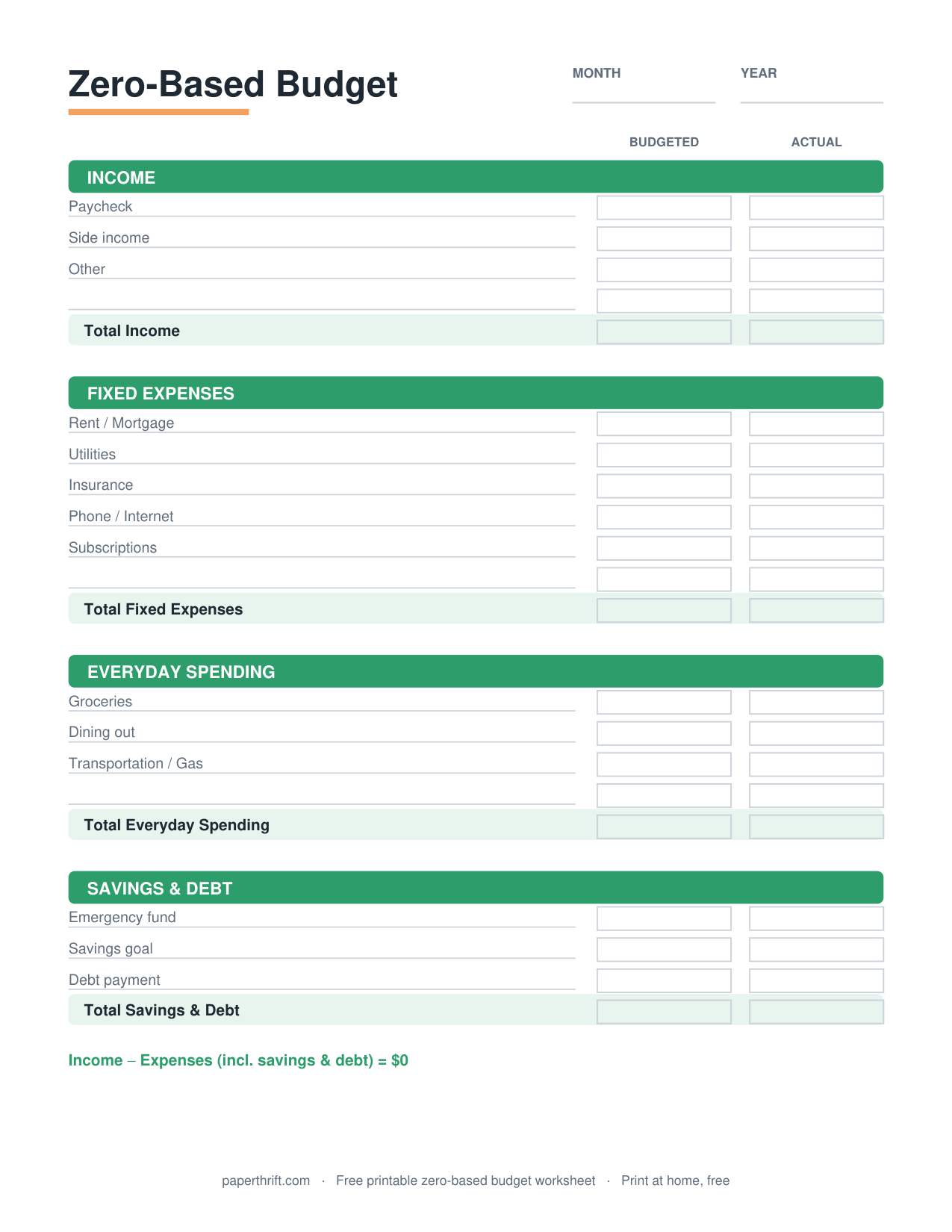
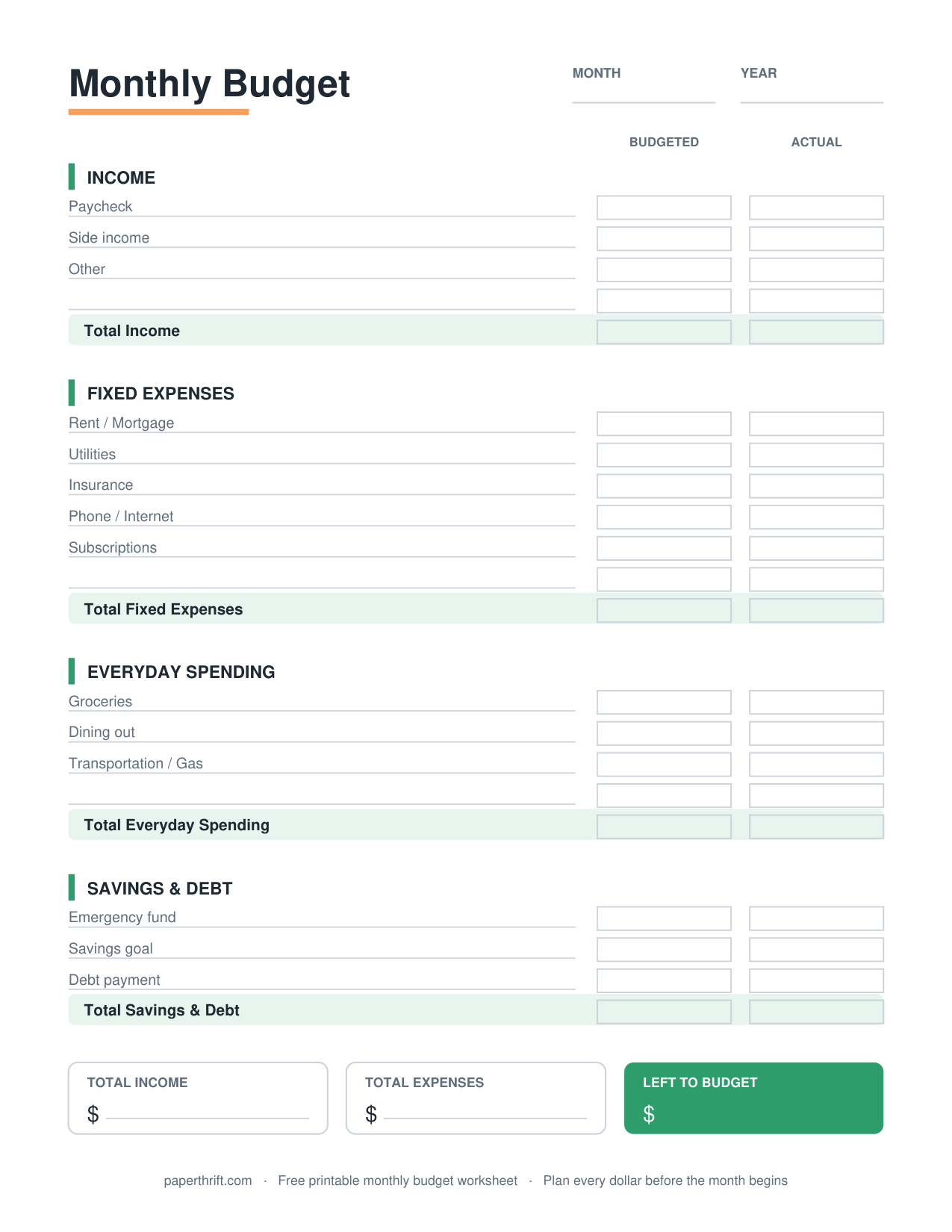
The method was popularized for personal finance by Dave Ramsey, but the idea is simple: income minus outgo equals zero. A household earning $4,200 might assign $1,400 to rent, $600 to groceries, $700 to savings, $500 to debt, and so on, until the last dollar is placed. You can run the whole plan on a single zero-based budget worksheet, and many people pair it with a broader monthly budget worksheet to see the full picture. If you prefer a looser split, the 50/30/20 rule is a gentler alternative.
How does zero-based budgeting work step by step?
List your monthly income, list every expense and goal, assign dollars to each category until none are left, then track spending through the month and adjust categories as needed so the plan keeps balancing to zero.
Start by writing your total take-home income for the coming month. Next, list every category that needs money: fixed bills, variable spending like groceries and gas, savings goals, and debt payments. Then assign real dollar amounts to each category, working from must-pay items down to flexible wants, until income minus assignments equals zero.
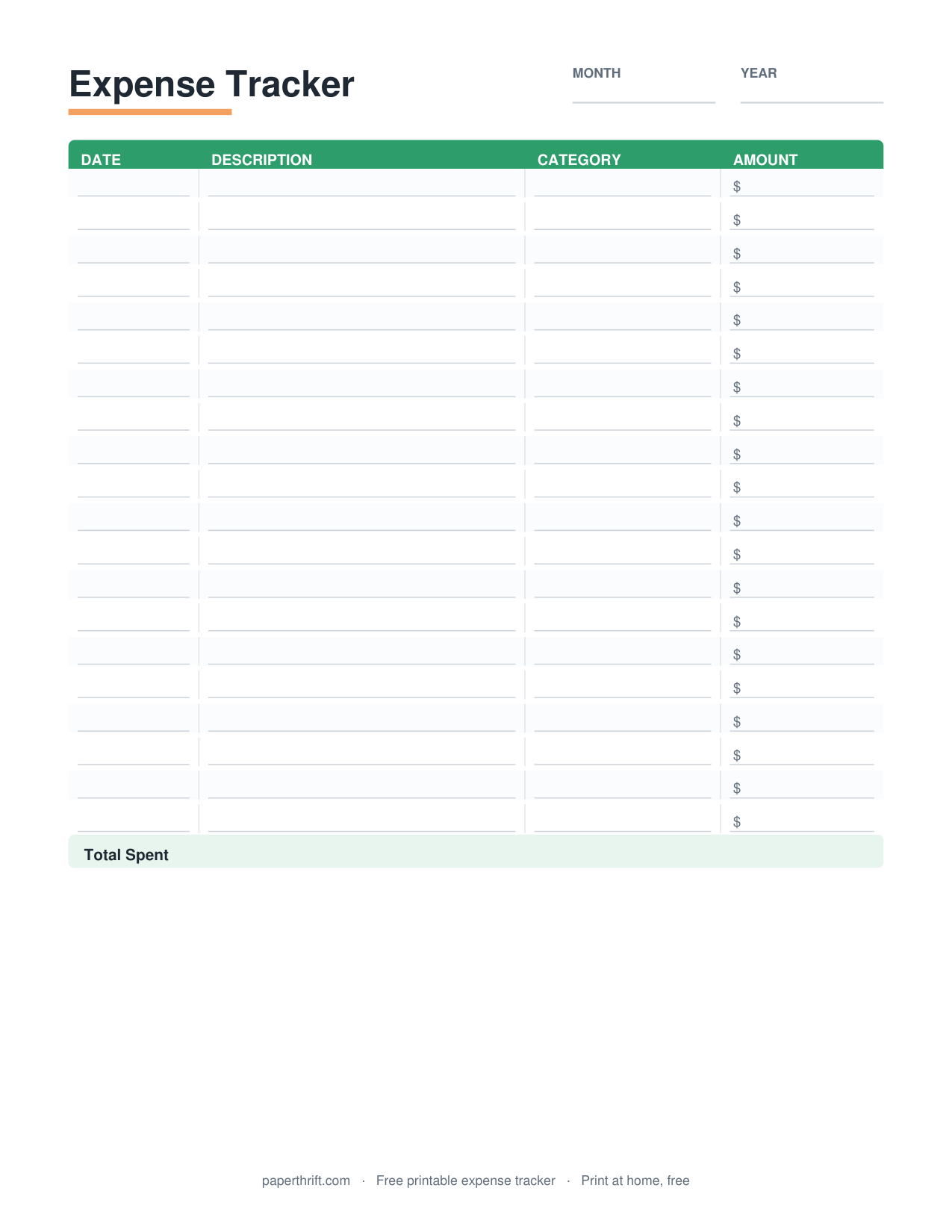
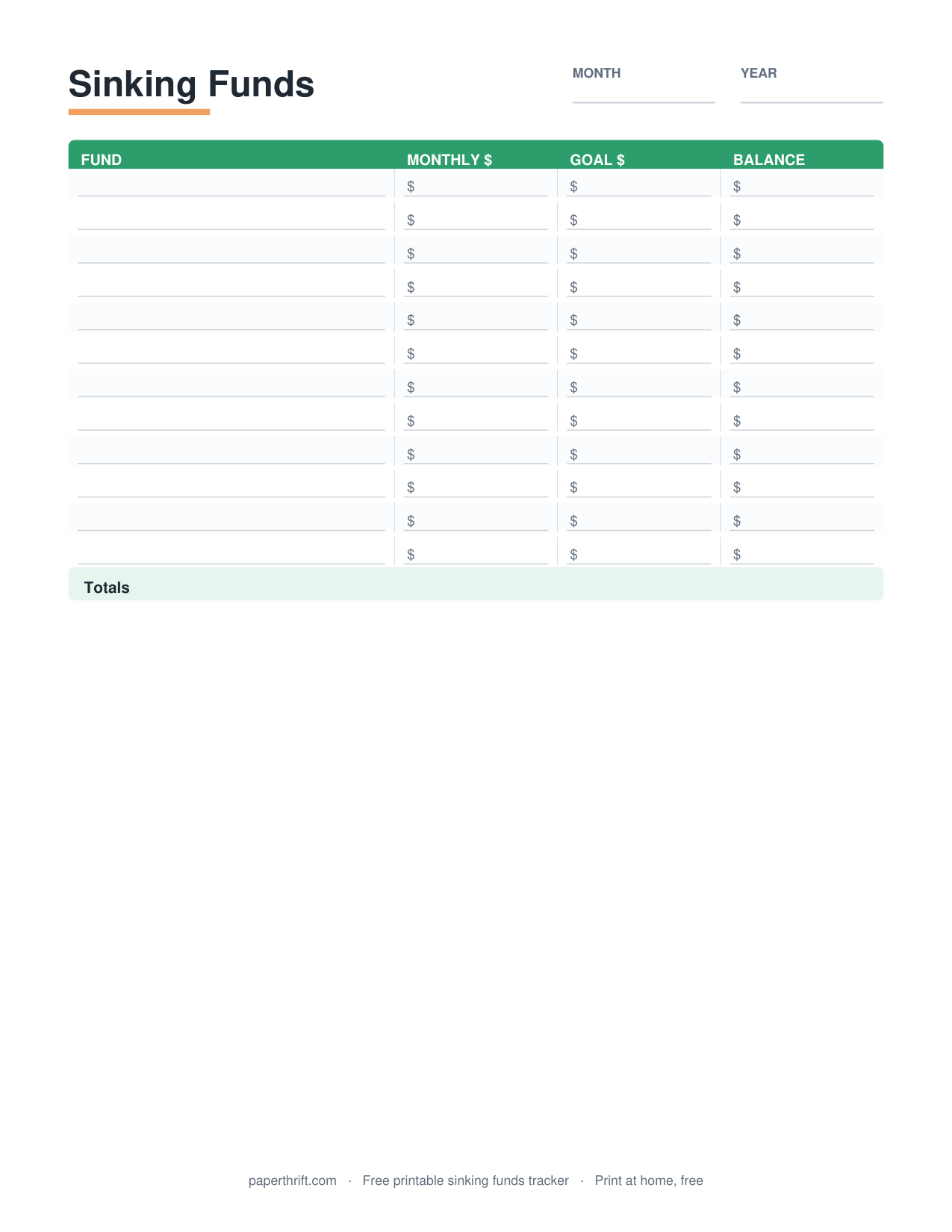
The plan is only as good as your follow-through, so record what you actually spend. An expense tracker makes this easy, and a bill payment tracker keeps due dates from slipping. When one category runs short, you move dollars from another instead of overspending overall. For irregular costs like car repairs or holidays, set aside a little each month using a sinking funds tracker so big bills never break the budget. A full walkthrough lives in our guide on how to make a budget.
What are the pros and cons of zero-based budgeting?
Pros: total control, intentional saving, and fast spotting of waste. Cons: it takes more time than simpler methods, requires a monthly rebuild, and can feel strict for people with very irregular income or little budgeting experience.
The biggest advantage of zero-based budgeting is awareness. Because every dollar is assigned on purpose, you see exactly where your money goes and you catch leaks (an unused subscription, creeping takeout spending) quickly. Assigning dollars to savings and debt first also makes those goals happen instead of hoping for leftovers. A subscription tracker and a debt payoff tracker pair naturally with this method.
The trade-off is effort. You build a new budget each month and check in weekly, which is more hands-on than a three-bucket rule. People with spiky income may find it stressful at first, though budgeting only the money already in hand actually suits variable pay well. Here is the detail many guides skip: zero-based budgeting works on cash flow, not net worth, so your assigned categories should match the calendar your money arrives on, whether weekly, biweekly, or monthly.
Who is zero-based budgeting best for?
Zero-based budgeting fits people who want maximum control, are paying off debt, have variable income, or feel money disappears with nothing to show. It rewards detail-minded planners and anyone willing to spend a few minutes weekly tracking dollars.
Zero-based budgeting is a strong match for debt payoff. Because you deliberately assign extra dollars to a balance each month, the method pairs cleanly with the debt snowball tracker and the strategy comparison in debt snowball vs avalanche. It also suits freelancers and commission earners, who budget the exact money they receive rather than a guess.
It may feel like overkill for someone with simple, stable finances and few goals, where a lighter method could be enough. But for anyone who reaches the end of the month wondering where the money went, the discipline of giving every dollar a job is the fix. If you like keeping printed pages in one place, our guide on how to start a budget binder shows how to organize the worksheets you'll use each month.
How is zero-based budgeting different from the cash envelope system?
Zero-based budgeting is the plan that assigns every dollar a job; the cash envelope system is one way to enforce that plan by holding physical cash for spending categories. You can run zero-based budgeting with or without envelopes.
People often confuse the two, but they answer different questions. Zero-based budgeting decides how much each category gets. The cash envelope system decides how you hold and spend that money, by putting the assigned cash into labeled envelopes so you physically can't overspend a category.
Many budgeters combine them: they build a zero-based plan on paper, then withdraw cash for the easy-to-overspend categories like groceries, dining out, and fun. When an envelope is empty, that category is done for the month. You don't have to use cash, though. A digital tracker works just as well for enforcement. If you enjoy a structured saving game alongside your budget, the 100 envelope challenge and a savings goal tracker add momentum without changing the core method.
Zero-based budgeting also has a corporate cousin — Investopedia's zero-based budgeting entry traces it to 1970s accounting — but the household version needs nothing more than the printable worksheet and fifteen minutes before the month starts.
Frequently asked questions
Does a zero-based budget mean spending all your money?
No. Zero-based budgeting means every dollar is assigned a job, and saving and investing are jobs. If you earn $4,000 and assign $500 to savings and $300 to a car fund, those dollars are allocated, not spent. The budget hits $0 only on paper because nothing is left unassigned.
How often do you redo a zero-based budget?
You build a fresh zero-based budget every month before the month begins, because income, bills, and goals shift. Then you check in once or twice a week to record spending and move dollars between categories as real life happens. The monthly rebuild is what keeps the plan accurate.
Is zero-based budgeting good for irregular income?
Yes. Freelancers and commission earners budget the money they actually have, not a forecast. When a payment lands, you assign those exact dollars to your priorities: bills first, then savings and wants. A buffer or sinking fund smooths lean weeks, making zero-based budgeting a strong fit for variable pay.
What's the difference between zero-based budgeting and the 50/30/20 rule?
Zero-based budgeting assigns every individual dollar to a named category, giving full control and detail. The 50/30/20 rule splits income into three broad buckets (50% needs, 30% wants, 20% savings) for a faster, looser setup. Zero-based is precise; 50/30/20 is simple.
Paperthrift provides free educational budgeting tools and printables. It does not offer financial, investment, or tax advice.