Guide
Sinking Funds Explained
A sinking fund is a savings strategy that sets aside a fixed amount of money each month toward a specific, planned future expense (like car repairs, holidays, or insurance) so the full cost is covered in cash when the bill arrives.
What is a sinking fund?
A sinking fund is a pool of money you build up in small monthly amounts to pay for one known future expense. You divide the total cost by the number of months until the bill is due, then save that amount each month.
A sinking fund turns a large, irregular expense into a small, predictable monthly habit. Instead of being surprised by a $1,200 insurance premium in December, you save $100 a month from January and have the full amount ready. The expense is planned, the amount is known, and the deadline is fixed. Those three traits are what separate a sinking fund from a general savings account.
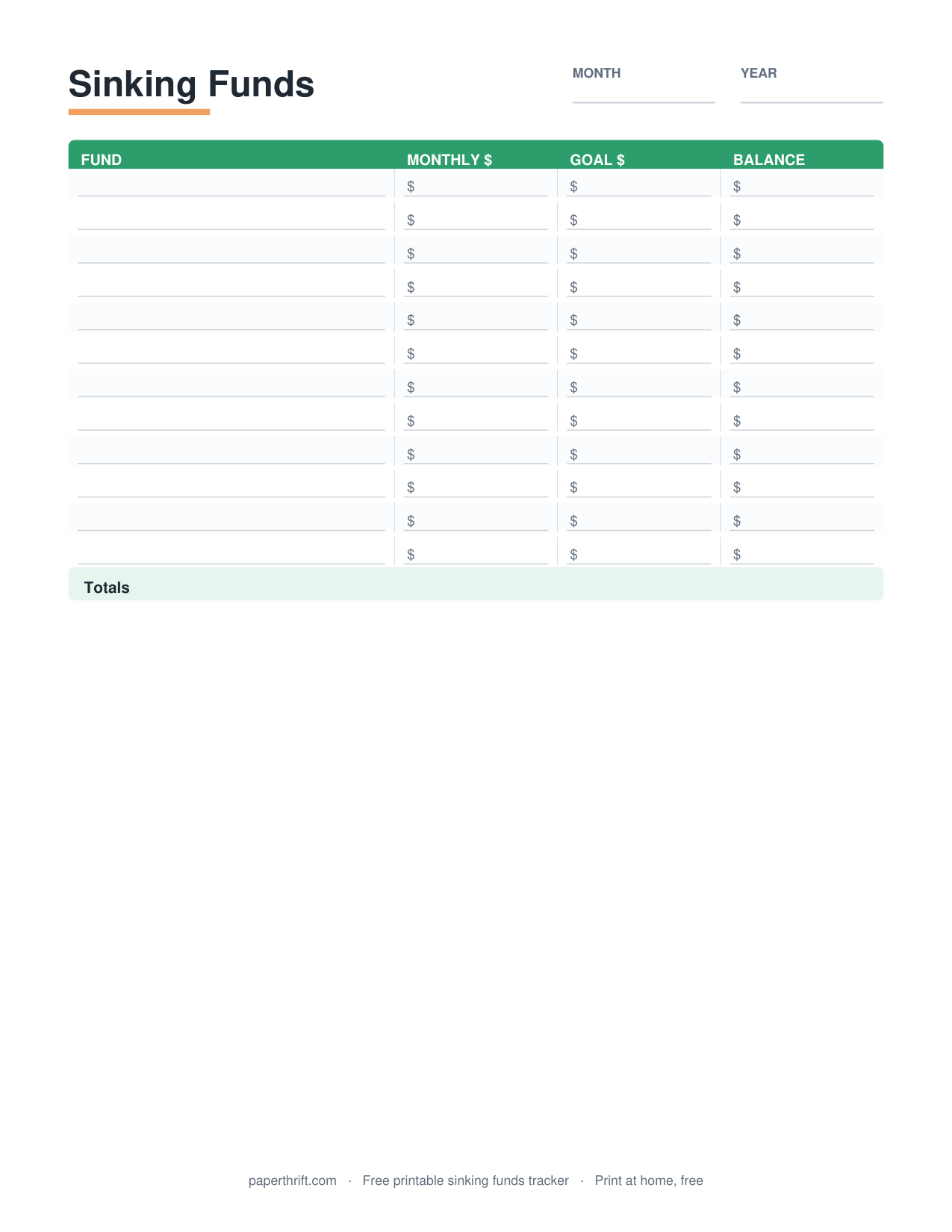
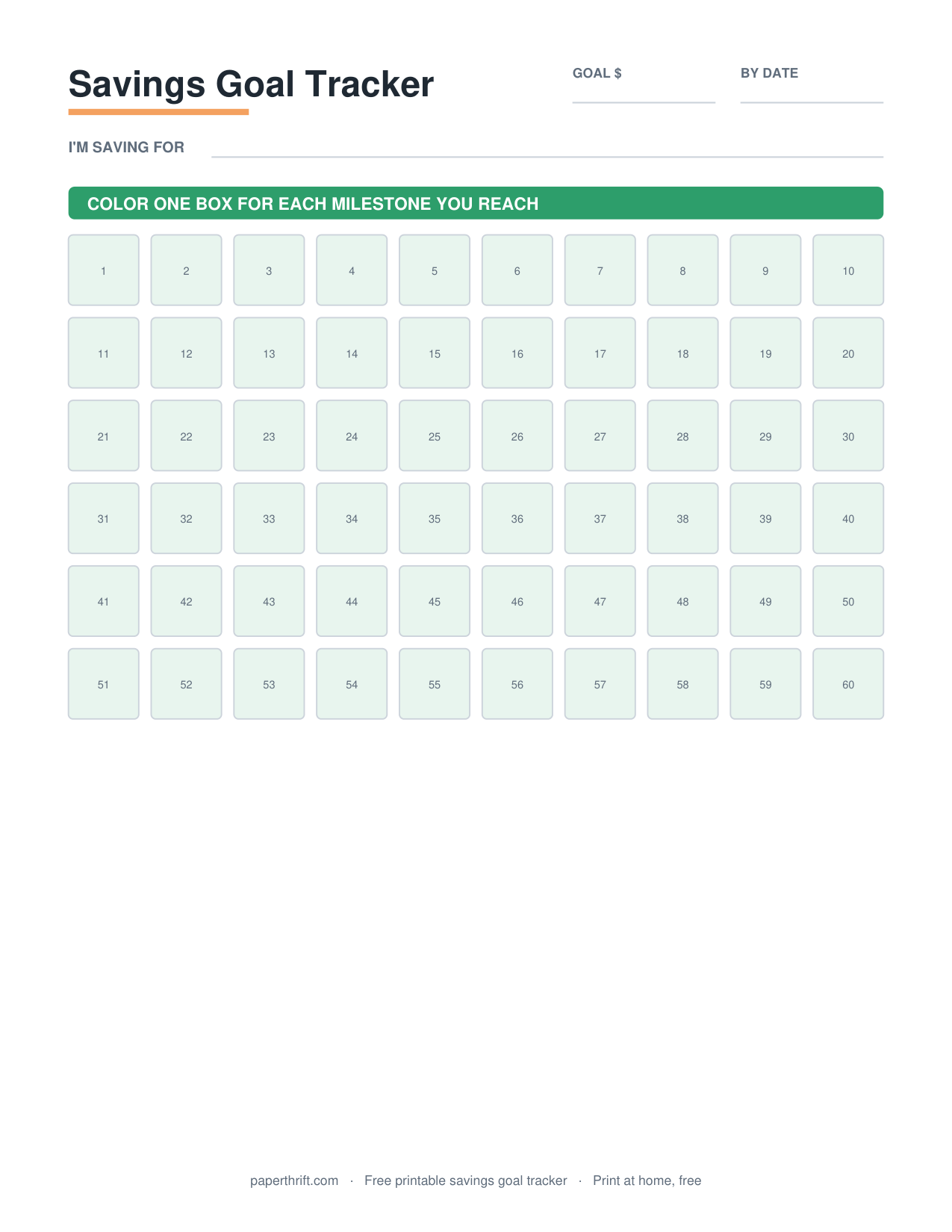
The math is simple: total cost divided by months until due equals your monthly contribution. A $600 holiday budget needed in 6 months is $100 a month. A $900 set of tires needed in 9 months is also $100 a month. You can run several sinking funds at once, each with its own target and date. Track each one separately on a sinking funds tracker so the balances never blur together, and record the actual deposits on a savings goal tracker as each fund grows.
How does a sinking fund work?
A sinking fund works by reverse-engineering a future bill into equal monthly deposits. You set the target amount, set the due date, divide cost by months, and move that fixed amount into the fund every payday until the goal is reached.
Start with the target. Say your car registration costs $480 and is due in 8 months. Divide $480 by 8 to get $60 per month. Each month you move $60 into the fund: a labeled envelope, a separate savings account, or a line on your budget. By month 8 the fund holds the full $480 and the bill is covered without touching your checking balance or reaching for a credit card.
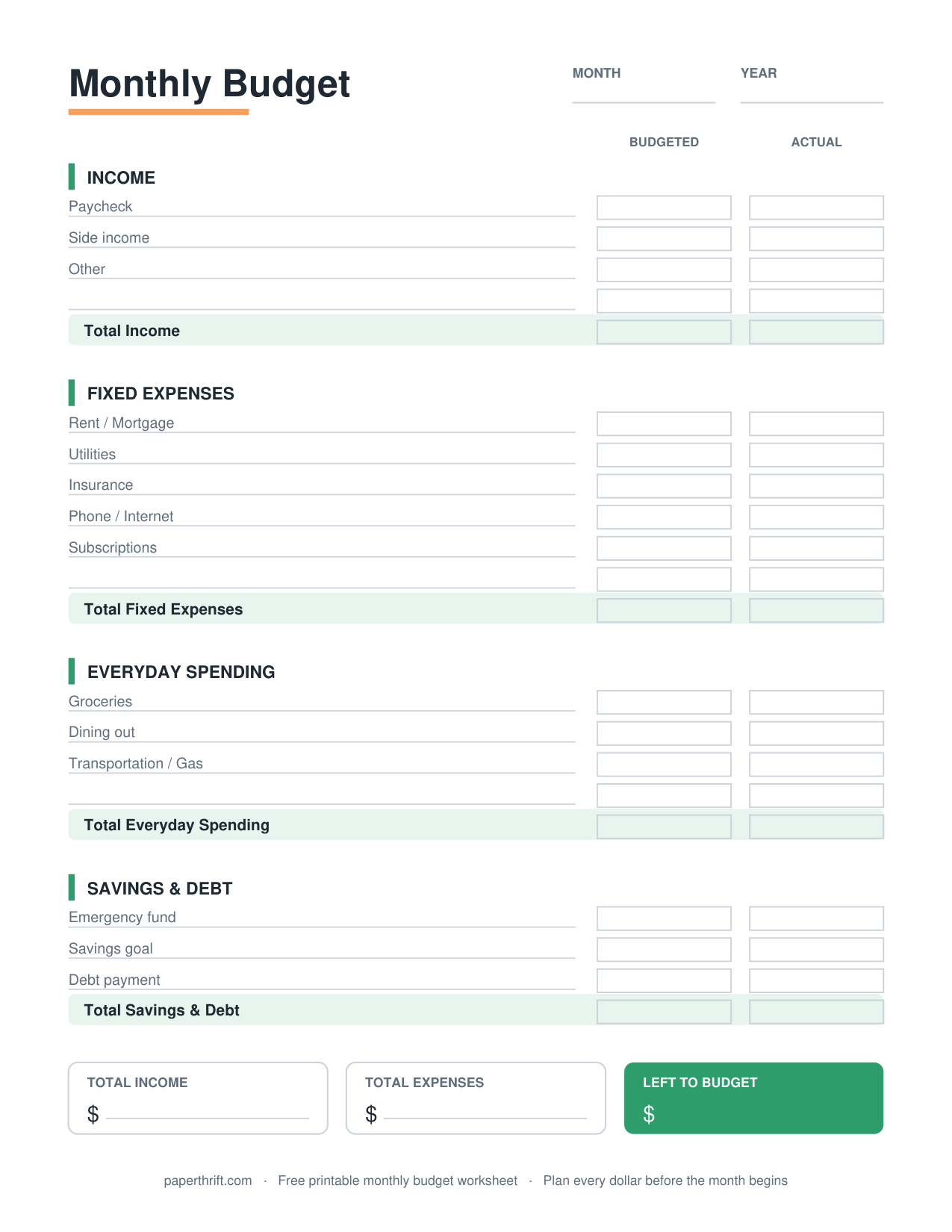
The key rule is that a sinking fund only gets spent on its named purpose. Money in the "car registration" fund pays for registration, not for dinner out. This boundary is what makes the system work, and it pairs naturally with the cash envelope system when you prefer physical cash. Build each fund's monthly deposit into your monthly budget worksheet as a fixed expense, so the contribution is planned alongside rent and groceries instead of being an afterthought.
What are examples of sinking funds?
Common sinking funds cover Christmas gifts, car repairs and maintenance, annual insurance premiums, property taxes, vacations, medical bills, home repairs, back-to-school costs, and replacing big appliances. Any large, predictable, non-monthly expense is a good candidate.
Sinking funds work best for expenses that are large enough to hurt and predictable enough to plan. The clearest examples fall into a few categories. Seasonal: Christmas gifts ($600), back-to-school supplies ($300), summer camp ($800). Vehicle: tires ($700), registration ($480), an annual maintenance fund ($600). Home: a new water heater ($1,400), roof repairs, an HVAC service contract. Annual bills: insurance premiums, property taxes, and yearly subscriptions paid in one lump.
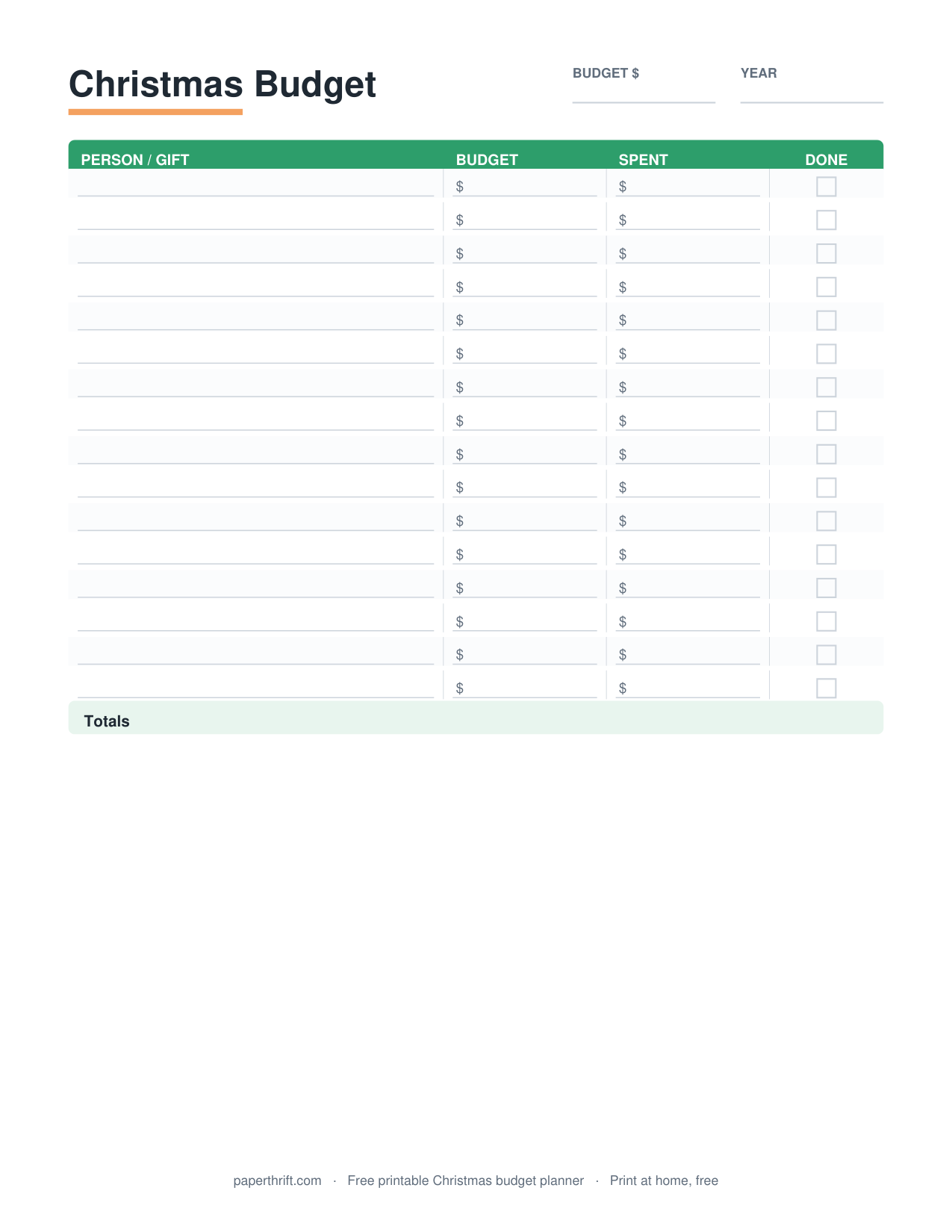
Holiday spending is the single most popular sinking fund because the date never moves and the cost is easy to overshoot. Plan that one on a dedicated Christmas budget worksheet, then feed the monthly deposit into your fund. Annual subscriptions that hit once a year also belong here. List them on a subscription tracker so you can see the yearly total, divide it by twelve, and never get blindsided by an auto-renewal again.
How do I set up a sinking fund?
Set up a sinking fund in five steps: list the future expense, set the target dollar amount, set the due date, divide cost by months to get the monthly deposit, then automate or schedule that deposit and track the balance until you hit the goal.
Step one: name the expense and write the target amount. Be specific, like "Christmas 2026, $600." Step two: set the due date, which tells you how many months you have. Step three: divide the target by the number of months to get your monthly contribution. Step four: decide where the money lives: a separate savings account, a labeled cash envelope, or a budget line. Step five: move the money on the same day each month and mark the new balance so you can see progress.
Automating the transfer on payday removes willpower from the equation. If you would rather hold cash, label one envelope per fund and tuck the deposit in each month. Either way, decide your monthly contributions before the month begins by writing them into a zero-based budget, where every dollar gets a job and the sinking fund deposits are assigned up front. Many people keep all their funds together inside a budget binder, with one tracker page per goal so the whole system lives in one place.
What is the difference between a sinking fund and an emergency fund?
A sinking fund covers a known, planned expense with a set amount and date. An emergency fund covers unknown, unplanned events like job loss or a sudden medical bill. Sinking funds are budgeted on purpose; emergency funds are held in reserve for surprises.
The two tools solve opposite problems. A sinking fund answers "I know this bill is coming, so let me save for it." An emergency fund answers "I don't know what will go wrong, but something will, so let me be ready." Car registration is a sinking fund because the date and cost are known. A blown transmission is an emergency because it is unexpected. You should hold both: emergency money stays untouched until a true surprise hits, while sinking funds drain and refill on a predictable cycle.
Keeping them separate protects each one. If you raid your emergency fund for Christmas gifts, you have no cushion when a real emergency lands. Track planned, recurring goals like vacations and insurance on a sinking funds tracker, and keep that distinct from a savings goal tracker used for longer-term targets. When you build your spending plan with the 50/30/20 budget, both sinking funds and emergency savings come out of the 20% savings slice, but they get their own labeled lines so the money never gets confused.
How much should I put in a sinking fund each month?
Divide the total cost of the expense by the number of months until it is due. A $1,200 expense needed in 12 months is $100 a month; the same $1,200 needed in 6 months is $200 a month. The deadline sets the monthly amount.
Your monthly contribution is driven by two numbers: how much you need and how long you have. The formula never changes: cost divided by months equals the deposit. If a deposit feels too high, you have three levers: start earlier to spread the cost over more months, lower the target by trimming the expense, or push the date back if the deadline is flexible. A $600 vacation in 12 months is a painless $50 a month; the same trip booked 3 months out demands $200.
When you run several funds at once, add up all the monthly contributions and check the total against your real income before committing. If the combined deposits exceed what your budget can absorb, prioritize the funds with the nearest due dates and largest costs first. Map the full picture on an annual budget so you can see every sinking fund deadline across all twelve months, then confirm each month's deposits fit by laying them out on a monthly budget worksheet alongside your fixed bills.
To work out any fund's monthly amount, the free savings goal calculator divides a target by your timeline in seconds. For the corporate-finance origin of the term, see Investopedia's sinking fund definition — households borrowed the idea, and it works even better at home.
Frequently asked questions
Where should I keep my sinking fund money?
Keep sinking fund money somewhere separate from your everyday checking so it isn't spent by accident. Good options are a dedicated high-yield savings account, a labeled cash envelope per fund, or a clearly named budget line. The goal is a visible boundary between this money and your regular spending.
Can I have more than one sinking fund at a time?
Yes. Most people run several sinking funds at once: one for Christmas, one for car repairs, one for insurance, and so on. Give each fund its own target, due date, and tracker line. Just add up all the monthly deposits and confirm the total fits your budget before you commit.
What happens if I don't use all the money in a sinking fund?
If a fund has leftover money after the expense is paid, you can roll it forward toward next year's version of the same fund, move it to a fund that is short, or shift it to savings. Leftover money is a win. It means you over-saved, not overspent.
Is a sinking fund the same as just saving money?
No. General saving has no target, date, or purpose. A sinking fund is purposeful saving with a specific dollar goal, a fixed deadline, and a single intended use. That structure is what makes the money show up exactly when the bill does, instead of hoping there's enough in savings.
Paperthrift provides free educational budgeting tools and printables. It does not offer financial, investment, or tax advice.